Box breathing
Equal counts for inhale, hold, exhale, and hold. Useful before presentations or when you need a neutral reset. The square pattern is easy to remember and measure.
Read the guide
Slow, structured breath work may help you feel more present during busy days in Utrecht and across the Netherlands. This site offers free, step-by-step guides with timing cues and plain-language notes on how breathing relates to the autonomic nervous system. Results vary by person; content is educational, not a substitute for professional care.
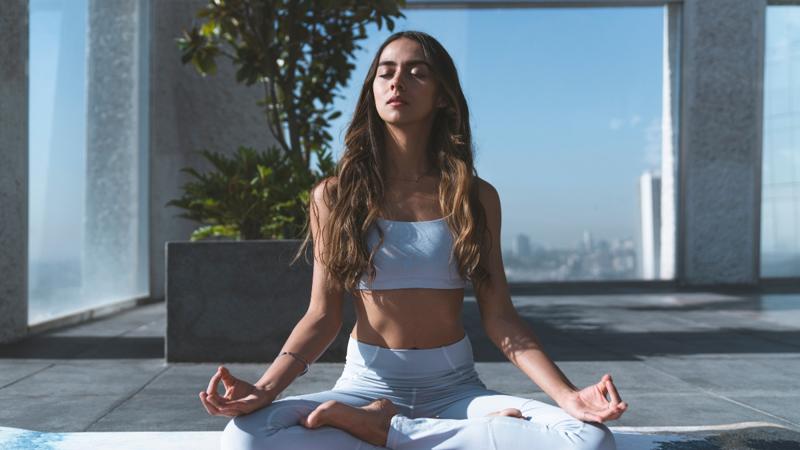
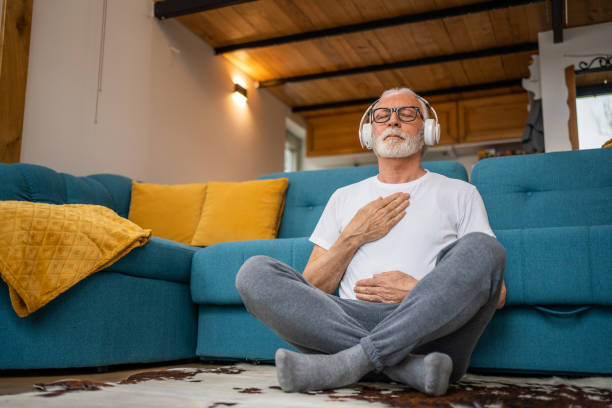

When you lengthen the exhale or breathe at an even pace, you give your brain predictable sensory input. That rhythm can reduce the sense of mental scatter that shows up after long screen time or back-to-back meetings. Researchers studying slow breathing often report shifts in heart-rate variability—a marker linked to how flexibly your body moves between alertness and recovery.
You are not trying to force a mood. You are training attention on something simple: air moving in and out. That anchor is useful when thoughts loop on tomorrow’s tasks or yesterday’s conversations. Many people in the Netherlands use short breath breaks instead of another coffee, especially during grey afternoons when energy feels flat but sleep is still hours away.
Try noticing three phases: the inhale, the brief turn at the top, and a slightly longer exhale. Write down one word before and after a four-minute session—common choices are “foggy” or “steady.” Over seven days, patterns matter more than any single session. Pair breath work with daylight by a window or a short walk; circadian cues support the nervous system shift you are practicing.
If your mind wanders, count silently or trace a square with your finger. Wandering is normal; returning is the skill. Avoid judging the session as “good” or “bad.” Useful feedback is physical: softer shoulders, slower blink rate, or a longer pause before you answer the next message.
Equal counts for inhale, hold, exhale, and hold. Useful before presentations or when you need a neutral reset. The square pattern is easy to remember and measure.
Read the guideRoughly five to six breaths per minute, often around five seconds in and five out. Commonly studied for steadying heart rhythms and subjective calm.
Read the guideBelly expansion with lip-sealed inhale. Supports efficient gas exchange and can lower mouth-breathing habits during desk work.
Read the guide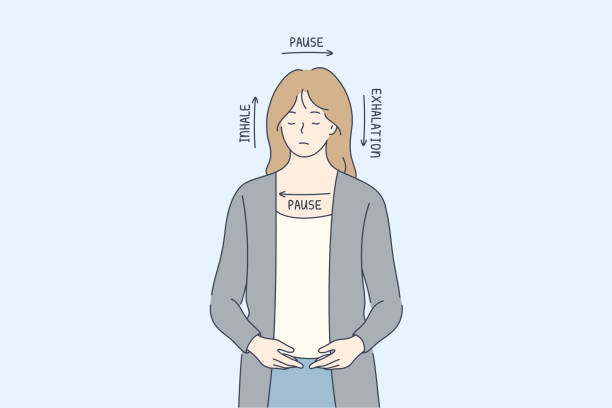
The autonomic nervous system runs background jobs: heart rate, digestion, pupil size. It has accelerators (sympathetic) and brakes (parasympathetic). Fast, shallow chest breathing often rides with sympathetic tone—useful for action, tiring when it never switches off.
Slower exhales and gentle nasal inhales tend to recruit the vagus nerve pathways associated with parasympathetic activity. That does not mean you can “hack” your way out of every stressful situation. It means you have a voluntary lever—breath—that influences how loud the alarm feels in your body.
Track body signals: jaw tension, shoulder lift, belly hardness. If they soften after four minutes of paced breathing, your nervous system may be shifting toward recovery. Keep a note app log for a week; patterns become obvious.
Explore nervous-system guideConsistency beats intensity. A short practice you repeat teaches your body more than a single long session once a month.
Breath work is generally low risk for healthy adults, but it is not a substitute for care from qualified professionals. Sit or stand with support the first times you try longer holds. Avoid practicing while driving, in water, or on unstable surfaces.
Stop and return to normal breathing if you feel pins and needles, discomfort in the chest, panic, or blurred vision. If you have asthma, COPD, heart conditions, pregnancy complications, or recent surgery, ask a qualified healthcare professional in the Netherlands whether breath retention or strong patterns are appropriate for you.
Children and teens can use gentle pacing without long holds. Keep sessions playful and short. Hydrate after practice; rapid breathing can dry airways. This site shares educational lifestyle information for residents of the Netherlands and visitors seeking structured self-care habits.
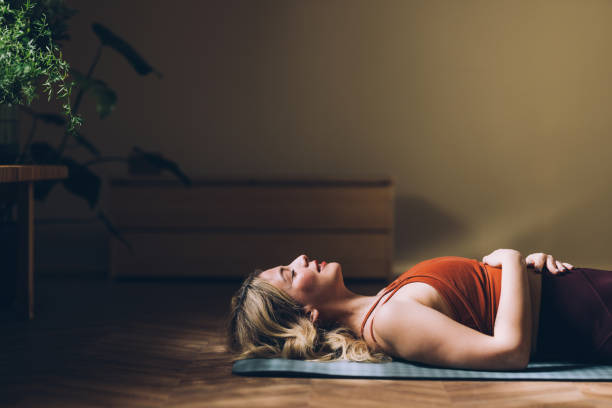
Join live practice blocks in Utrecht or online. Times are Central European Time. Spaces are limited; arrive five minutes early to settle in.
| Date | Session | Format |
|---|---|---|
| 8 Jun 2026 | Box breathing fundamentals | In studio, Malakkastraat |
| 22 Jun 2026 | Resonance pacing lab | Online live |
| 6 Jul 2026 | Nasal breath for desk workers | In studio |
| 20 Jul 2026 | Evening nervous-system reset | Hybrid |
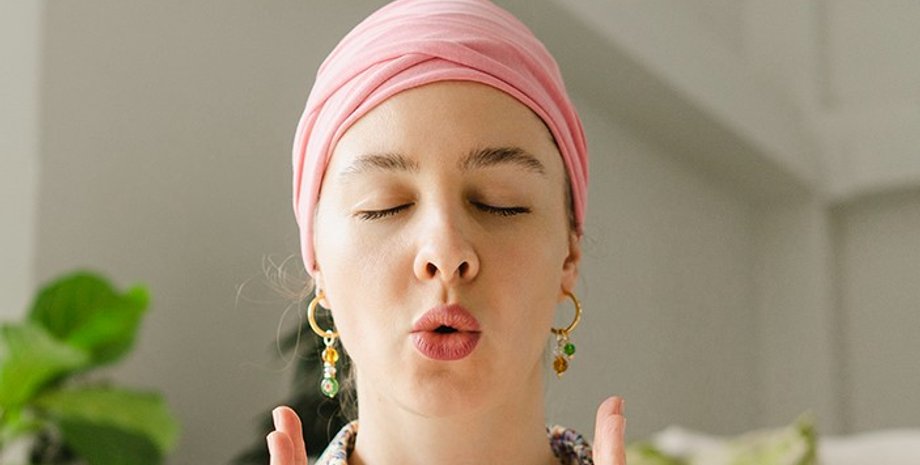
Published studies on slow breathing sometimes report changes in heart-rate variability and self-reported calm. Effect sizes vary by population and protocol. Six breaths per minute is a frequent research pace because it aligns with baroreflex rhythms in many adults—we describe this for context only.
Box breathing appears in performance training literature as a structuring tool, not a standalone medical intervention. Nasal breathing research discusses air filtration and sinus nitric oxide in general terms. Individual results vary; we do not promise specific health outcomes.
Use a simple before-and-after rating (0–10 stress, 0–10 focus) to see what works for you. Personal data beats generic claims.
Some people notice a calmer focus after one session; others prefer two weeks of short daily practice. Track sleep quality and afternoon focus for yourself—individual experiences differ and we make no outcome promises.
Default to nasal inhale and exhale when comfortable. Mouth breathing is fine during intense exercise or if congestion blocks the nose. Return to nasal pace during recovery.
Yes, favor longer exhales and skip long breath holds at night. If you feel wired, shorten the session and read something offline afterward.
No. Content is general lifestyle education only. For symptoms or health conditions, contact a healthcare professional in the Netherlands (huisarts or specialist)—not this website.
Yes. All online guides are free to read. Optional in-person or online group sessions in Utrecht may involve a fee; we state the price and cancellation terms by email before you confirm a place.
No. We do not sell physical products, dietary supplements, or medical devices. We only publish education and, separately, optional group practice sessions.
We are a Utrecht-based educational project focused on breathing routines for everyday mental clarity. Our team prepares written guides and occasional small-group practice sessions—not clinical treatment, coaching licences for healthcare, or emergency support.
Editorial standard: we describe practices in clear steps, cite general research context where relevant, and avoid claims that a technique will work the same way for everyone. Update your practice if a qualified professional advises you differently.
This site is intended for adults in the Netherlands and EU who want structured self-practice information. Advertising, if shown, points to the same free guides and optional events listed here—no hidden funnels or unrelated product sales.
Questions about content accuracy, privacy, or bookings: use the contact form. Read our Privacy Policy, Cookie Policy, and Terms of Use.
Contact usPick one guide, practice five minutes a day for seven days, then add a second technique if you want variety.